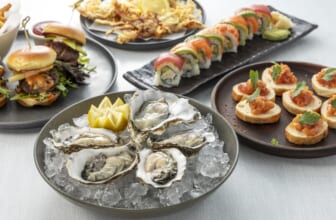

How Japanese cuisine took root in the islands, shaped everyday local food culture, and continues to evolve today—from plantation-era staples to Honolulu’s thriving ramen scene.
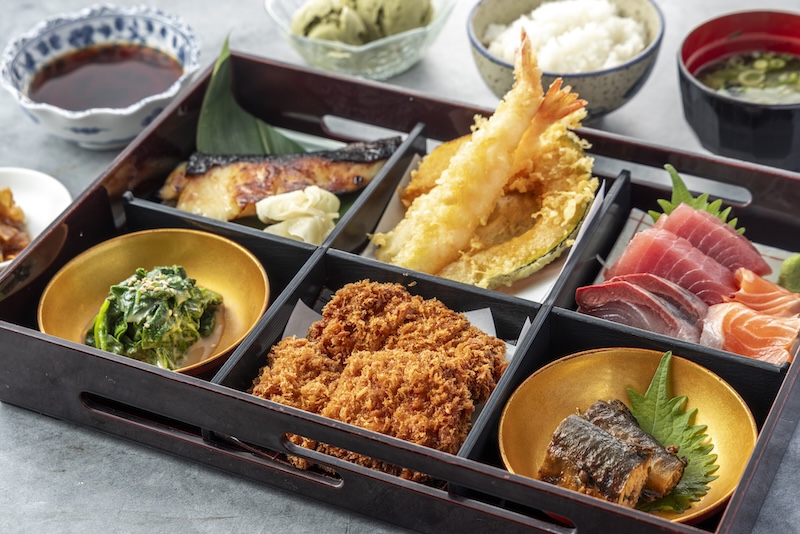
With a history in Hawaiʻi spanning more than a century, Japanese cuisine is an integral component of the islands’ multifaceted food scene. Its roots trace back to the arrival of Japanese immigrants working on sugar plantations in the latter part of the 19th century. Those early immigrants introduced Japanese ingredients and cooking techniques, and Japanese establishments began appearing in plantation communities, preserving traditions while introducing Japanese foods to a broader population. Bento, tofu, tsukemono (pickles), noodles, and other Japanese staples eventually became part of everyday life in Hawaiʻi.
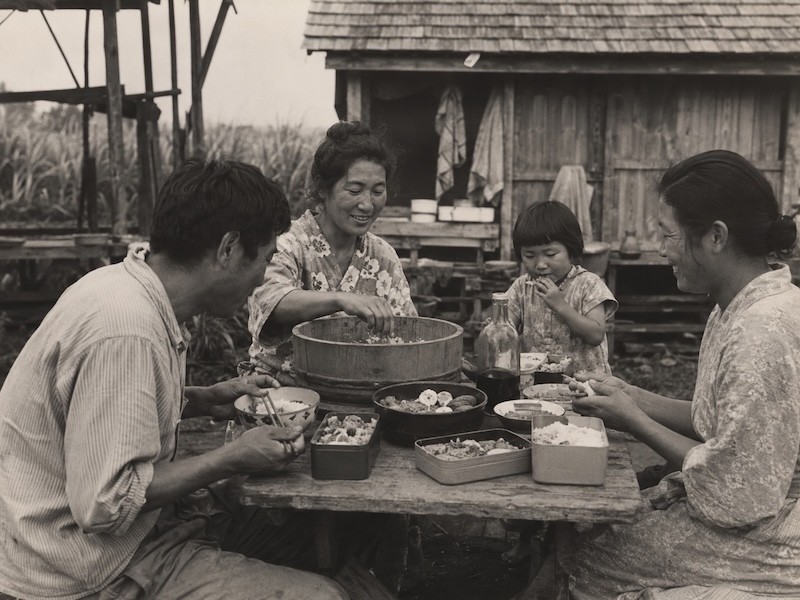
For much of the 20th century, Japanese food in Hawaiʻi adapted to local tastes and ingredients, blending with other ethnic flavors and traditions reflective of the diverse plantation-rooted culture.
In recent decades, there has been a renewed interest in authenticity as restaurants and brands from Japan have established a presence in the islands. Popular Japanese chains, along with a growing number of Japanese chefs, specialty restaurants, and regional concepts, have introduced diners to traditional versions of dishes such as ramen, izakaya plates, and more. Hawaiʻi’s culinary landscape continues to evolve, keeping its local adaptations of flavor while moving toward an increasingly authentic connection to contemporary Japan.
Ramen 101: Consider Honolulu Your Study Abroad
Ramen has blossomed far beyond its origins as Chinese wheat noodles. For more than a century, chefs have transformed these humble strands into something quintessentially Japanese, creating countless regional styles defined by distinctive broths, carefully crafted noodles, and thoughtfully chosen toppings. Today, diners queue for comforting bowls that reflect both regional identity and culinary creativity. Fortunately, Hawaiʻi boasts an impressive roster of ramen shops, allowing diners to experience these signature styles without leaving the islands.
At the heart of every bowl is its broth, and understanding the different styles is key to discovering a personal favorite. Honolulu’s ramen scene offers a wonderful primer.
For many, shoyu ramen is the quintessential starting point. One of Japan’s oldest styles, it dates to 1910, when it was first served at Rairaiken in Asakusa. Seasoned with soy sauce, shoyu ramen features a clear amber broth with layers of savory umami, built from chicken, pork, or both. At Baikohken Waikīkī, diners can experience Hokkaidō’s interpretation through its flavorful Asahikawa shoyu ramen.

Shio, or salt, ramen is refinement itself. Its clear broth showcases the delicate flavors of chicken, seafood, or vegetables without overwhelming the palate. Often associated with the port city of Hakodate, shio ramen emphasizes subtlety over richness.
Those craving robust flavors often gravitate toward miso ramen, the specialty of Sapporo. Fermented soybean paste creates a rich, slightly sweet broth that pairs naturally with butter, corn, bean sprouts, and ground pork — warmth and comfort built for snowy winters. Naniwaya Ramen at Ala Moana Center offers a good example.
Tonkotsu ramen is a favorite among many Hawaiʻi locals. Originating in Fukuoka, its pork broth is made by simmering bones for hours until collagen, marrow, and fat emulsify into a creamy, intensely rich soup. Honolulu offers several outstanding versions, including the kakuni ramen at Menya Le Nood, the Spicy Deluxe at Ramen Bario, and both the tonkotsu shio and tokusen toroniku ramen at Hokkaido Ramen Santouka.


Beyond these four classics lies a fascinating realm of specialty broths. Gyokai ramen draws its deep umami from dried seafood such as bonito flakes, sardines, mackerel, and kelp, while kaisen ramen celebrates fresh seafood — shrimp, scallops, crab, shellfish — in a lighter broth that reflects Japan’s coastal bounty. Paitan, or “white broth,” offers a luxuriously creamy chicken take on the tonkotsu idea.
Those seeking bold, spicy flavors gravitate toward tantanmen, Japan’s rendition of Chinese dan dan noodles. Sesame paste, chili oil, and seasoned ground meat create a nutty, piquant broth. Junpuu Ramen in Honolulu serves both a traditional version and a vegan alternative.

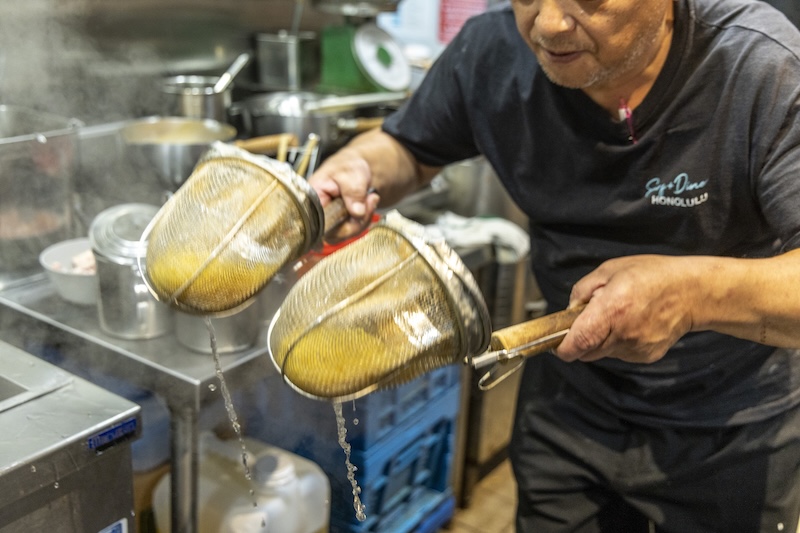
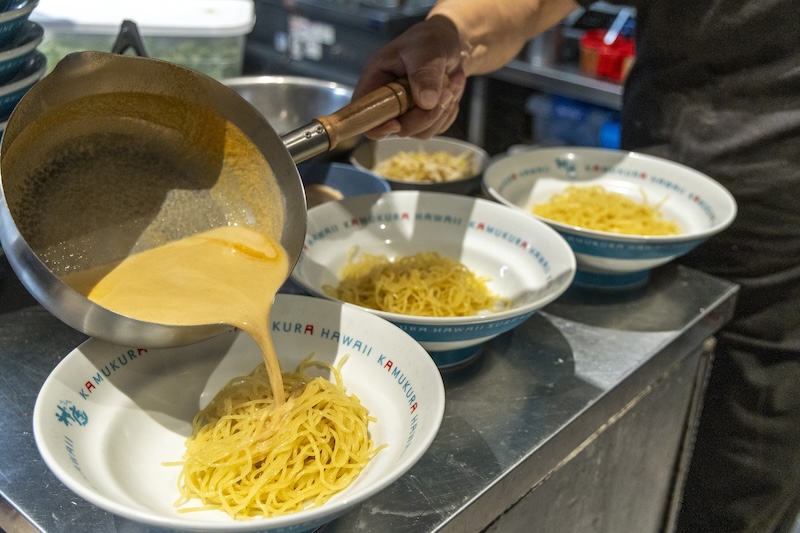
The ramen world keeps evolving, with styles such as tsukemen (dipping noodles), the brothless abura soba and mazesoba, curry ramen, and bowls incorporating unexpected ingredients like tomatoes, pineapple, coffee, and even tequila. In Hawaiʻi, Kamitoku is known for its wagyu beef bone ramen from Tottori. Ramen Nakamura offers a robustly flavored oxtail ramen. Kamukura’s two Honolulu locations craft their Oishii Ramen with a consommé-style broth. Ringer Hut serves champon, a Nagasaki specialty loaded with seafood and vegetables.
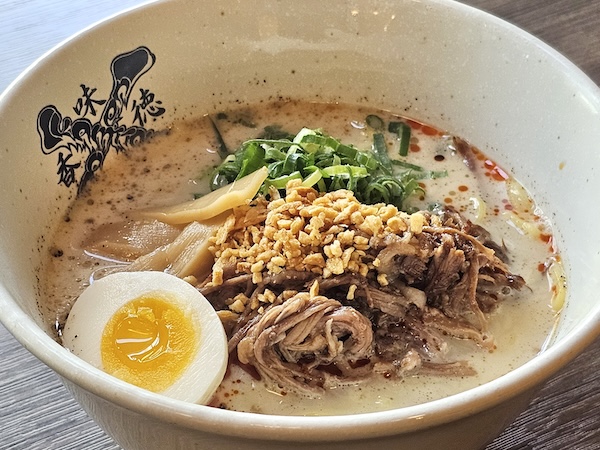
Every bowl is defined by an orchestrated balance of broth, tare (seasoning base), noodles, and toppings. That is what makes ramen such a rewarding culinary journey — and why Honolulu has become one of the best places outside Japan to explore its incredible diversity.